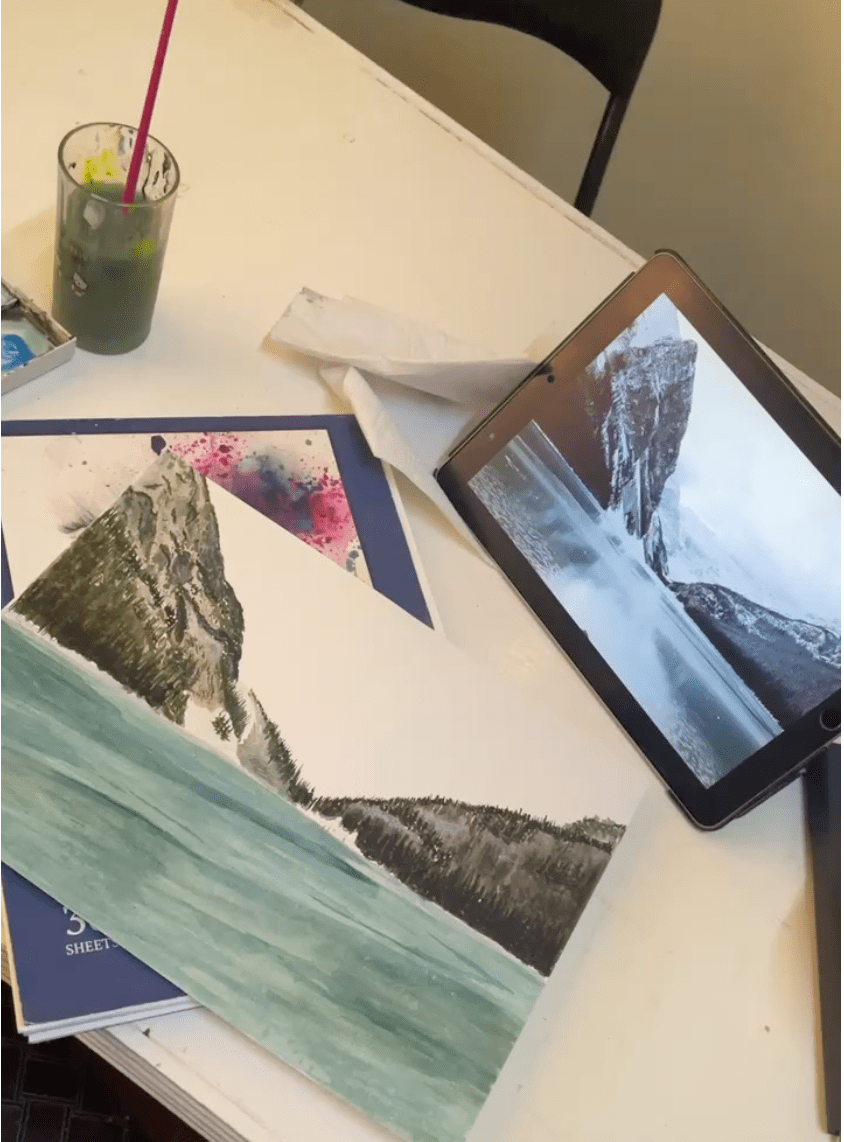
You often hear the advice to “find your own style” or “be original, create something no one has before.” But how do you get there? How do you find your aesthetic in a sea of thousands, if not millions? I have yet to study an artist who, from their first creation, was making unique and worthy pieces. For almost every artist, the journey of finding their voice starts with copying and mimicking other artists and their artwork, taking inspiration from those they admire and look up to. This process, far from being a shortcut or plagiarism, is a vital stepping stone in becoming an artist. Every artist, at some point, begins by imitating those who inspire them, gradually steering into their own unique expression and tone.
Why Imitating and Copying Matters
Artists learn by doing and watching. You, like all other artists, are a visual learner, absorbing techniques, concepts, and styles by closely observing and replicating the work of those you admire. This method allows you to:
- Understand Techniques: By copying the strokes, color palettes, and compositions of your favorite artists, you gain hands-on experience with various techniques and methods.
- Grasp Basic Concepts: Concepts like perspective, proportion, and shading become clearer when you practice them through the lens of another artist’s work. It becomes much easier to see where you went wrong.
- Build Confidence: Successfully mimicking a piece can boost your confidence, showing you that you have the skills to create something beautiful and inspiring.
Creating Your Own Art
Once you get the hang of basic concepts and techniques, you can slowly start to redesign the imitated art into your own. This transformation happens naturally as you infuse your personality, preferences, and experiences into your work. The key is to use mimicry as a stepping stone, not a final destination. Over time, the influence of other artists will blend with your unique vision, leading to an original aesthetic that feels true to you.
The Ethical Side of Copying
While mimicking other artists is a valuable learning tool, it’s crucial to approach it with integrity. Here are some ethical guidelines to keep in mind:
- Avoid Exact Replicas for Profit: It’s not okay to copy other artists’ work exactly and then try to profit from it. This practice disrespects the original artist’s effort and creativity.
- Give Proper Credit: Always acknowledge the artists who inspire you. If you share your imitations online or in any public space, give credit to the original artist. This transparency shows respect and fosters a supportive artistic community.
- Use Imitation as a Learning Tool, Not a Final Product: Remember that the goal of mimicry is to learn and grow, not to create final pieces for sale or exhibition. Use this practice to build your skills and eventually transition to your own original creations.
Embracing the art of mimicry can be a powerful step in your artistic journey. By copying and learning from others, you build a solid foundation of skills and knowledge. However, always remember to approach this practice ethically. Give credit where it’s due and use mimicry as a means to develop your own unique voice. In doing so, you honor the artists who inspire you while forging your own path in the creative world.
 art by fari
join the conversation!